Hyundai vs Volvo: which is better?
As of 2026, neither Hyundai nor Volvo is better outright — it depends on what you value. Volvo is cheaper to get into, starting at ฿1,590,000 (฿109,000 below Hyundai), while Volvo goes furthest on a charge at 745 km, 264 km more than its rival, and Volvo offers the wider choice with 9 models. Volvo is the simpler pick because it leads on both price and range; choose Hyundai only if a specific model or body style suits you better.
Hyundai and Volvo are two of the electric-vehicle brands on sale in Thailand, and this page compares them side by side using the prices, range and line-up data in the Rodfaifa directory. Hyundai fields 3 models, priced from ฿1,699,000 up to ฿2,390,000 (average ฿1,972,667). Volvo fields 9 models, priced from ฿1,590,000 up to ฿4,890,000 (average ฿2,634,444).
On entry price, Volvo is the more accessible of the two, starting ฿109,000 below Hyundai. Volvo also leads on range, so it wins on both of the headline numbers buyers compare first.
For driving range, Volvo offers the longer maximum at 745 km, 264 km more than its rival here. Average range across the line-ups is 439 km for Hyundai and 578 km for Volvo. On straight-line pace, Volvo posts the quicker best 0–100 km/h time of 3.6s.
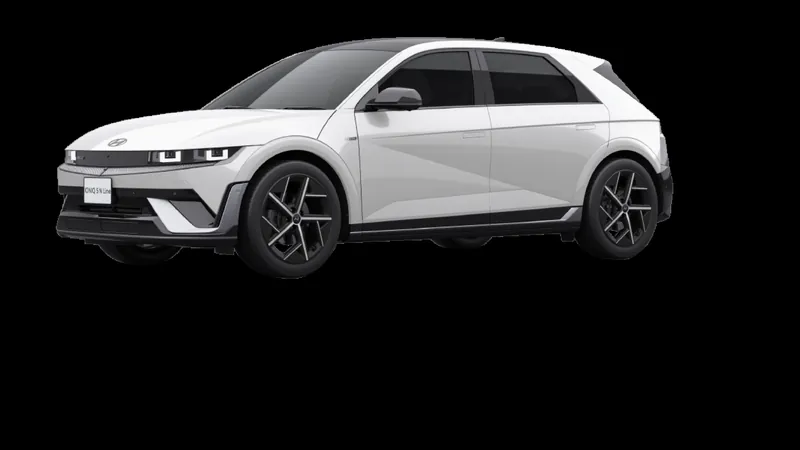
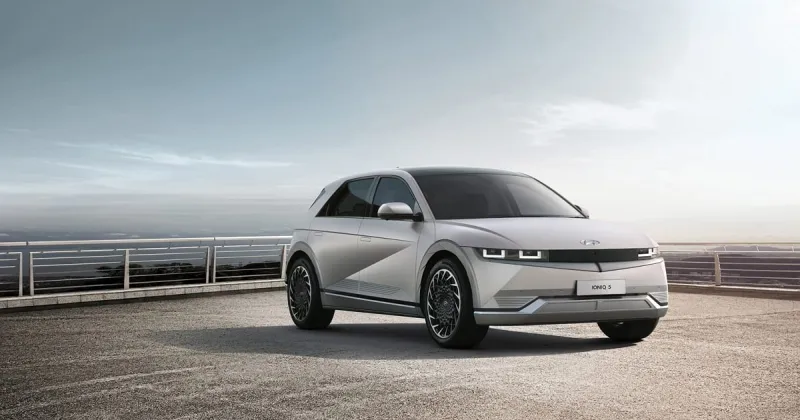
Drilling into the line-ups: the cheapest way into Hyundai is the IONIQ 5 Premium at ฿1,699,000 (384 km, 58 kWh), while Volvo opens with the EX30 Single Motor Extended Range at ฿1,590,000 (540 km, 69 kWh). If outright range matters most, the Hyundai IONIQ 5 Exclusive reaches 481 km and the Volvo EX90 Plus Twin Motor AWD reaches 745 km. At the top of each range, the Hyundai IONIQ 5 First Edition is the flagship at ฿2,390,000 versus the Volvo EX90 Ultra Twin Performance AWD at ฿4,890,000.
In terms of choice, Volvo gives buyers the broader line-up with 9 models to pick from. Hyundai covers SUV body styles, while Volvo covers SUV. The right pick comes down to budget, the body style you need and how far you drive: choose Volvo to spend less getting in, or Volvo for the longest range on a single charge.
Both brands offer SUV body styles, so a head-to-head on the same segment is possible. Hyundai's prices span ฿691,000 from cheapest to dearest, against ฿3,300,000 for Volvo — the wider ladder gives Volvo more room to match a specific budget. For buyers in Thailand weighing Hyundai against Volvo, the numbers above are the fastest way to shortlist before booking a test drive.
Specs side by side
| Comparison | Hyundai | Volvo |
|---|---|---|
| Models | 3 | 9 |
| Starting price | ฿1,699,000 | ฿1,590,000 |
| Top price | ฿2,390,000 | ฿4,890,000 |
| Average price | ฿1,972,667 | ฿2,634,444 |
| Max range | 481 km | 745 km |
| Average range | 439 km | 578 km |
| Best 0–100 km/h | 7.4s | 3.6s |
| Body types | SUV | SUV |
Bottom line: Volvo leads on both price and range in this Hyundai vs Volvo match-up.