Hyundai vs Nissan: which is better?
As of 2026, neither Hyundai nor Nissan is better outright — it depends on what you value. Nissan is cheaper to get into, starting at ฿1,590,000 (฿109,000 below Hyundai), while Hyundai goes furthest on a charge at 481 km, 170 km more than its rival, and Hyundai offers the wider choice with 3 models. For the lowest entry price choose Nissan; for the longest range choose Hyundai.
Hyundai and Nissan are two of the electric-vehicle brands on sale in Thailand, and this page compares them side by side using the prices, range and line-up data in the Rodfaifa directory. Hyundai fields 3 models, priced from ฿1,699,000 up to ฿2,390,000 (average ฿1,972,667). Nissan fields 1 model, priced from ฿1,590,000 up to ฿1,590,000 (average ฿1,590,000).
On entry price, Nissan is the more accessible of the two, starting ฿109,000 below Hyundai. Hyundai costs more to get into, but the range picture is different — see below.
For driving range, Hyundai offers the longer maximum at 481 km, 170 km more than its rival here. Average range across the line-ups is 439 km for Hyundai and 311 km for Nissan. On straight-line pace, Hyundai posts the quicker best 0–100 km/h time of 7.4s.
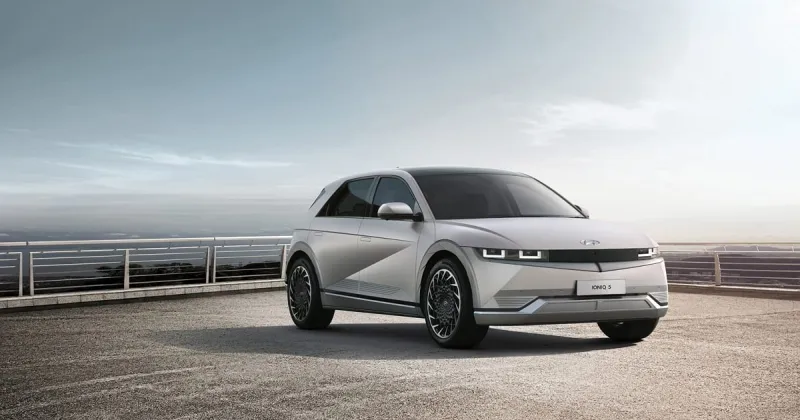
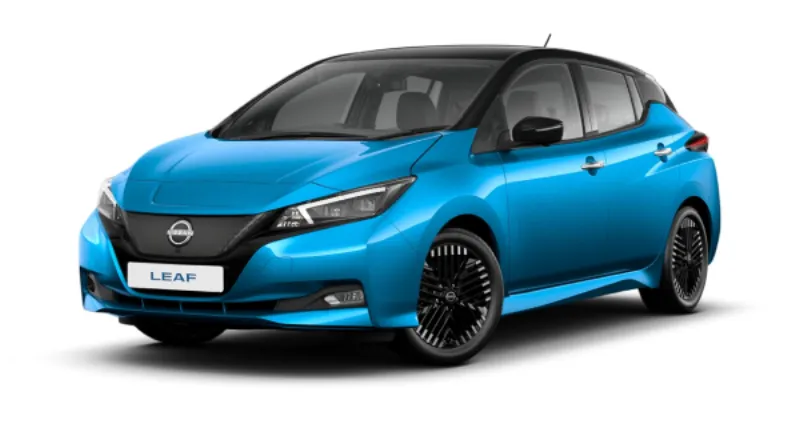
Drilling into the line-ups: the cheapest way into Hyundai is the IONIQ 5 Premium at ฿1,699,000 (384 km, 58 kWh), while Nissan opens with the Leaf at ฿1,590,000 (311 km, 40 kWh). If outright range matters most, the Hyundai IONIQ 5 Exclusive reaches 481 km and the Nissan Leaf reaches 311 km. At the top of each range, the Hyundai IONIQ 5 First Edition is the flagship at ฿2,390,000 versus the Nissan Leaf at ฿1,590,000.
In terms of choice, Hyundai gives buyers the broader line-up with 3 models to pick from. Hyundai covers SUV body styles, while Nissan covers Hatchback. The right pick comes down to budget, the body style you need and how far you drive: choose Nissan to spend less getting in, or Hyundai for the longest range on a single charge.
The two brands target different body styles, so they rarely go head-to-head on the same segment. Hyundai's prices span ฿691,000 from cheapest to dearest, against ฿0 for Nissan — the wider ladder gives Hyundai more room to match a specific budget. For buyers in Thailand weighing Hyundai against Nissan, the numbers above are the fastest way to shortlist before booking a test drive.
Specs side by side
| Comparison | Hyundai | Nissan |
|---|---|---|
| Models | 3 | 1 |
| Starting price | ฿1,699,000 | ฿1,590,000 |
| Top price | ฿2,390,000 | ฿1,590,000 |
| Average price | ฿1,972,667 | ฿1,590,000 |
| Max range | 481 km | 311 km |
| Average range | 439 km | 311 km |
| Best 0–100 km/h | 7.4s | 7.9s |
| Body types | SUV | Hatchback |
Bottom line: Nissan wins on entry price and Hyundai wins on range in this Hyundai vs Nissan match-up.